How to Increase Collagen Levels
For a long time, the human body ceased to be a complete mystery, although there are still a few things about it that remain unknown. Centuries of research have made us aware, thanks to anatomy and a great multitude of sciences, of almost every aspect that comprises it, from the large tissues that cover and operate its structure to the smallest cells and molecules, whose task consists of endless different facets.

Among all these, some stand out for fulfilling a specific function, as well as for characteristics like their production, lifespan, quality, and belonging within the organism. In this case, we refer to collagen, which despite being a vital part of the body’s functioning, tends to be degraded by factors that not only reduce its quantities but also its quality, so its functioning is always threatened.
However, since it is such an important component, which we will get to know in more detail as we proceed, it is necessary to bear in mind that this degradation, although it cannot be completely avoided, is counteracted by taking certain measures, which not only reduce the decline of its levels but can increase them, making the body produce a greater amount, in order to combat those factors that reject it, reduce it, or deny it completely.
Of all the types of supplements available, according to their origin, learn about one of the best by reading What is marine collagen and what are its benefits
About Collagen and Its Decrease in the Body
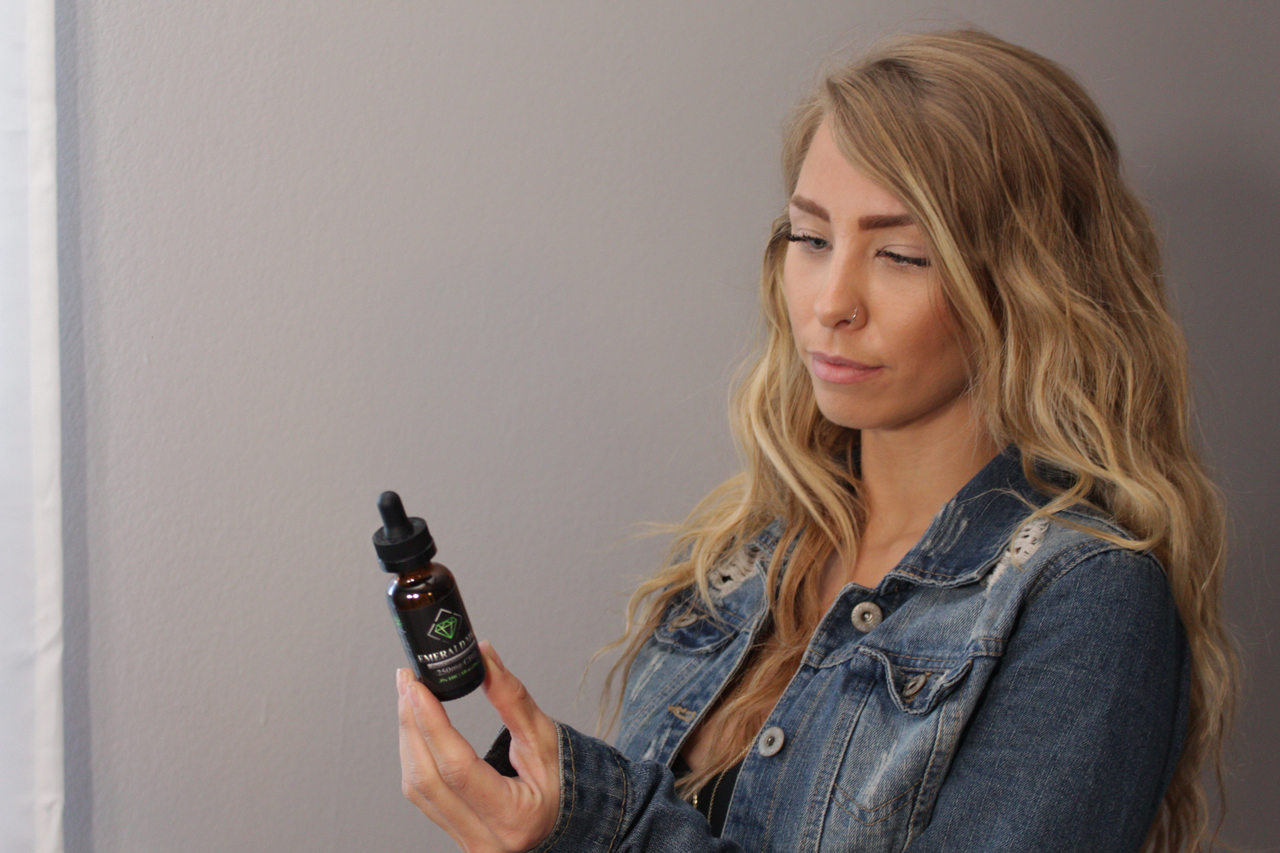
Although we often associate this molecule as an external ingredient, included (after being extracted and synthesized through laboratory procedures) as an important component of supplements and dietary complements, as well as of some topical beauty products, such as creams, serum, shampoo, and nail polish, the truth is that its real importance lies in the internal production generated by our body.
When we talk about collagen, we refer to a small protein fiber, produced by specific cells located in the body’s connective tissues, which are those that allow the correct union of other larger volume tissues, such as muscles, bones, and different layers of the skin. Because of this, its value is incalculable, as its task directly falls on the structural function of living beings.
It is necessary to mention this last point since not only humans produce this protein, but all terrestrial animals and most marine ones also need it, as well as birds, although these are not usually extracted for synthesis as an ingredient. However, the action of collagen is not carried out directly with the tissues that produce it, since, although we said that its task has to do with our structure, it is quite different.
This fiber is responsible for creating and producing, through the absorption of nutrients such as vitamins and essential acids, another smaller molecule called elastin, which is the one that truly takes care of giving tissues their resistance, vitality, tonicity, and above all, elasticity. Thanks to the maintenance of these important characteristics, the conjunction of the tissues that allow the mobility and strength of our body is achieved.
This does not mean that without elastin muscles, bones, organs, and joints are going to separate and lose their shape, as these tissues are united among themselves by different factors. However, it is the characteristics that elastin provides, produced by the protagonist fiber of today, that allow the cohesion of the tissues, thus prolonging the necessary physical health for them to perform all their functions correctly.
More superficially, if we talk about the role these molecules play on the skin, their cosmetic importance comes to light, making us realize that, without elastin strengthening and enhancing this large and necessary organ, it would progressively lose the elasticity, firmness, and tonicity that characterizes it.

The Importance of Maintaining an Optimal Level of This Protein
From the above, it can be deduced that, although the human body can work and function correctly, despite having low levels of collagen and its elastin production, the consequences of this molecular decline can be noticed in many ways. Not only superficially, due to alterations of the dermis, but also internally, in terms of the resistance and mobility of other tissues.
For example, dermal alterations due to the low levels of this fiber are associated with the appearance of aesthetic imperfections of the skin, such as wrinkles, expression lines, pronounced and very marked scars, flaccidity, and others just as noticeable. This is because, if the dermis loses the aforementioned characteristics, such as firmness and elasticity, its structure is altered due to the stiffness, elongation, and roughness that begin to appear.
Internally, the consequences, although not as visible, can be much more negative for our health, since the degradation of tissues due to a lack of elastin leads to the loss of their resistance and strength. For example, we lose part of the flexibility of our body, bones become fragile and prone to fractures, muscle mass is gradually reduced, and arthritis and joint pain appear.
Causes of Its Decrease
There are many factors that cause the degradation of collagen, in terms of its quality and quantity within the connective tissues, although the most common is due to aging, a natural element that all living beings suffer from. It is very true that with age, part of health is lost, cells suffer from oxidation and gradually reduce their capacity to produce these and other fibers; for example, as time passes, collagen levels are lost from 25% to 40% in their entirety.
Other problems that cause this decrease can be genetic, since much of what happens in our organism is written in the code information of our genes; thus, it is deduced that naturally, some people are more prone to cellular degradation than others, and therefore, to the decrease in the production of fibers, proteins, and other molecules.
The same can occur due to some pathogens, ailments, or diseases, since many of them involve very specific symptoms regarding certain molecules. For example, many immune disorders cause our immune system to see certain agents of the organism as external entities, so they attack and destroy them. Such is the case of those disorders with collagen vascular disease within their symptomatology.
Lastly, each and every one of the daily routine actions of our life can count for this decrease, since it is known that a lack of a balanced diet, exercise, and physical activity entails cellular degradation. Similarly, elements such as tobacco, alcohol, stress, and lack of sleep, can also cause the decrease in collagen production.
Methods to Increase Their Levels
Once we have convinced ourselves of the importance of this protein fiber in our organism, to avoid those dire consequences that its decrease can cause, it is time to learn about all the small actions, since the world is made of details, that together are capable of helping us greatly to counteract the natural decline of this and elastin in our body, whether as a natural consequence or due to bad habits.
In the case of people suffering from the aforementioned collagen vascular disorder, things can change, since apart from these simple tricks and measures, it is necessary to undergo specialized therapy, after a previous visit to a doctor specializing in these problems. Although it is difficult to detect when a disease causes these organic failures, as long as we know the consequences of the loss of this fiber, we can get an idea of whether or not we should take the appropriate measures.
Through Diet
Since we previously talked about the role of cells located in the connective tissues as the only source of production of this protein, we must consider their care in the most common way, as it is always recommended to keep the body’s cells functioning. This is achieved through diet, maintaining healthy diets with high levels of some elements that we will mention below.
Vitamin C
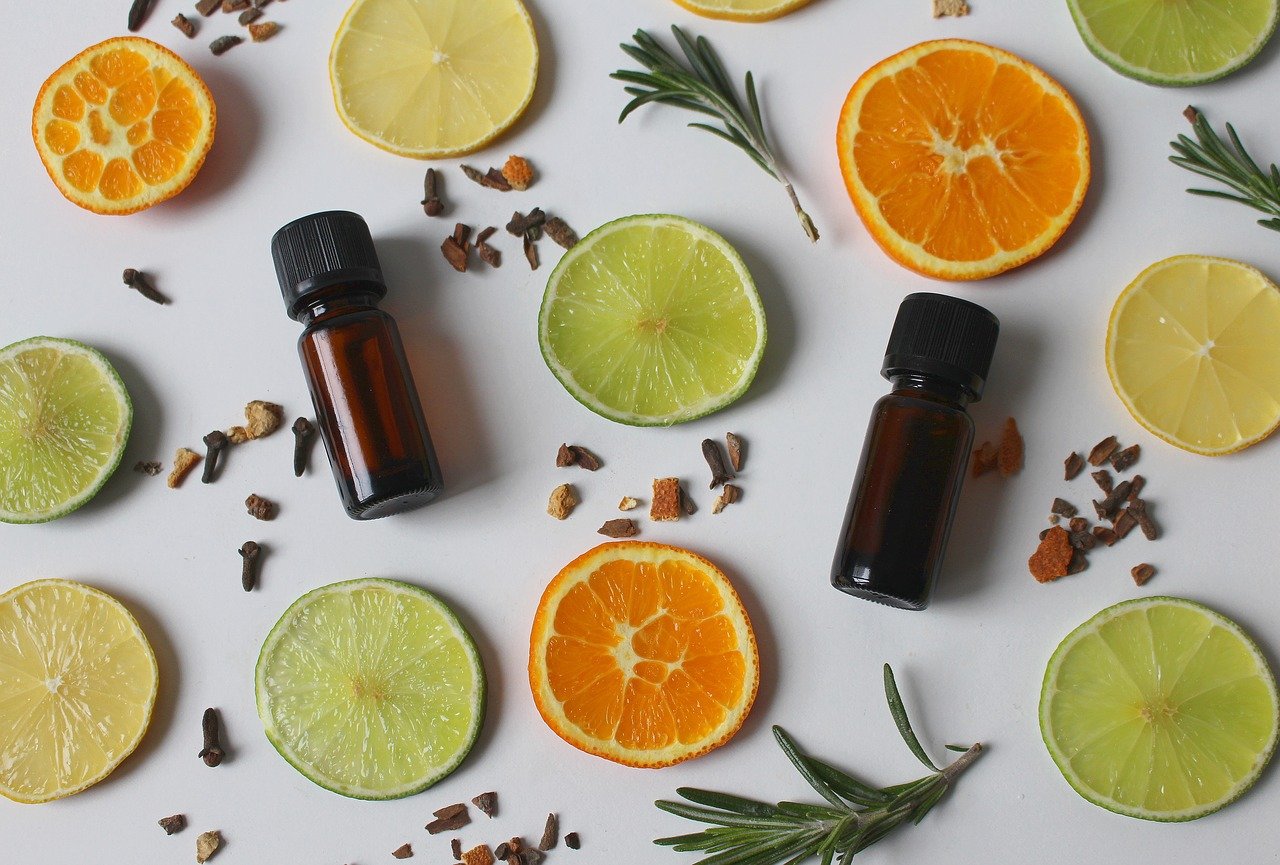
Firstly, this well-known nutrient, which can be found naturally in many foods, especially citrus fruits, such as oranges, tomatoes, lemons, grapefruits, kiwis, and strawberries; as well as in vegetables and greens like potatoes, broccoli, and red and green peppers. We can also obtain it by consuming vitamin supplements, rich not only in vitamin C but in many other vitamins, as well as different families of nutrients.
Its importance in interaction with the production of collagen is simply vital, as it is the main source of, so to speak, nourishment for the connective tissue cells, who basically transform a large part of their vitamin C reserves into collagen molecules, which in turn use another portion of this nutrient to initiate the natural synthesis of elastin in all areas of the body where it is required.
Vitamin E and Antioxidants
This pair do not come together in the foods we ingest, although their function in this case is practically the same, so we should always try to combine culinary ingredients rich in both nutrients, not only during the heaviest meals, such as lunch or dinner (in some countries where the last meal is usually substantial), but at any time, even during snacks or between-meal treats.
They are two of the main characters when it comes to caring for cells, as they are responsible for healing damage caused by external factors, such as contact with ultraviolet rays emitted by the sun, lack of movement and physical activity (or on the contrary, overexertion of the organism). Similarly, they can help prevent these from losing their properties when attacked by pathogens or diseases.
In the case of antioxidants, as their name suggests, they are known for preventing and reducing the oxidation of cells, which is the damage to their internal structure, caused by multiple situations like those mentioned above. It can be found in foods such as green tea, artichokes, tomatoes, garlic, cinnamon, cocoa and dark chocolate, broccoli, blueberries, carrots, pistachios, avocado, strawberries, and fish like cod and salmon.
When it comes to vitamin E, it takes care of similar protections to the previous antioxidants, but in a more external way, protecting the cells from possible external agents that damage them, correcting their structure, and helping to heal more superficial damage. We can find this in foods like vegetable oils, nuts and seeds (walnuts, hazelnuts, sunflower, etc.), spinach and asparagus, as well as various legumes, mollusks, and shellfish.
Collagen Supplements
It is said that medicine is the most complex and complicated science, as it requires a solution for each and every one of the small failures, whether anatomical or due to injuries, that can occur in our organism. The decline of the levels of any molecule, as well as cellular damage, are just one of the hundreds or thousands of issues that this science must deal with, together with others such as nutrition, anatomy, biology, and more.
We mention all these branches of study, as together they were responsible for discovering the artificial synthesis of natural molecules, as well as the creation of supplements with these as ingredients. These can be found in presentations such as tablets, pills, syrups, or water-soluble powder, among many others, as long as they are suitable for consumption by people.
It is a way of integrating collagen into the organism, in a controlled manner and through direct ingestion, not of foods or ingredients with capabilities to increase its level and production, but of the pure hydrolyzed molecule, so that it is absorbed by the body and can do its work correctly. Even so, most supplements integrate components such as vitamins and nutrients that also help in the natural production of the protein.
Ointments and Products for Skin, Hair, and Nails
More specifically, these are usually used above all as cosmetic elements, or beauty and care products for the most superficial areas of the body, in order to prevent, reduce, and eliminate imperfections caused by the decrease of collagen; since in many cases, these declines only entail minor consequences that can be treated in this way.
For example, the most common anti-wrinkle and anti-aging creams of today integrate this synthetic compound into their formula to be absorbed by the skin, as well as serums, tonics, and other topical products. Likewise, we can find it in nail polishes, shampoos, conditioners, and hair treatments, where the fiber molecule helps to provide resistance, hardness, and strength to the hair and nails.
Through Homemade Emulsions and Drinks
When it is necessary for a nutrient to reach the bloodstream more directly, but to be integrated or introduced into the body naturally, the best option is always to resort to beverages or liquid inputs, as in this state, the organism is capable of absorbing them at a higher speed and digesting them completely. This is why it is recommended to take pills with water or supplements in their water-soluble powder presentations for drinks.
Still, not only these synthesized products can comply with the golden rule of nutrition through beverages, but many of the aforementioned foods, rich in vitamins C and D, as well as in antioxidants, can be blended and consumed in their liquid versions. Therefore, it is recommended, after each meal, to have a good glass of orange, strawberry, grapefruit, tree tomato juice; a lemonade or a delicious chocolate shake with peanuts or nuts for a snack.
Treatments to Stimulate Their Production
There is a non-invasive method with almost immediate results, which does not require introducing anything into the organism, not even specific foods (although a nutritious diet is always recommended), preferably reserved for those who suffer the consequences of the lack of this protein and its descendant, elastin. These are laser therapies, red light or pulsed light therapy; as well as those involving the use of radiofrequency waves.
No matter which stimulation method is chosen, the results will always be positive and incredibly effective. If we opt for the light therapies, any of them, we will find a treatment that applies controlled heat, at localized points of our body, to stimulate the natural production of connective tissue cells; the same happens with radiofrequency, but these use electromagnetic waves.
If you are looking for the best supplement for this protein, we recommend you read What is hydrolyzed collagen and what are its benefits
Avoid Factors That Cause Gradual Decline
Remember, nothing is more effective than avoiding anything that causes the problem in question, even though this is only preventive, since once the damage is done, it may be too late to reverse it just by avoiding what caused it. Stay away from tobacco and alcohol, eat healthily and with a balanced diet, sleep well and learn to manage stress, so that these small events do not affect collagen and your life.